
A fake online store pretending to be your brand and damaging your reputation can now be created in a matter of hours. With today’s tools and AI, this is no longer a rare situation. It is something most established businesses will face sooner or later.
These sites often look legitimate at first glance. They have products, pricing, delivery options and even “reviews”. The difference is that the order never arrives, or the product is not what the customer expected.
For your brand, the impact is real. The customer believes they bought from you.
Fake domains and cybersquatting are growing
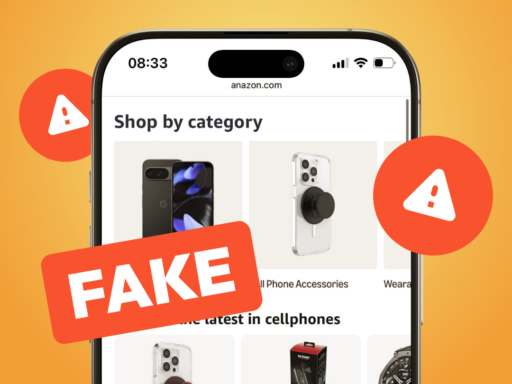
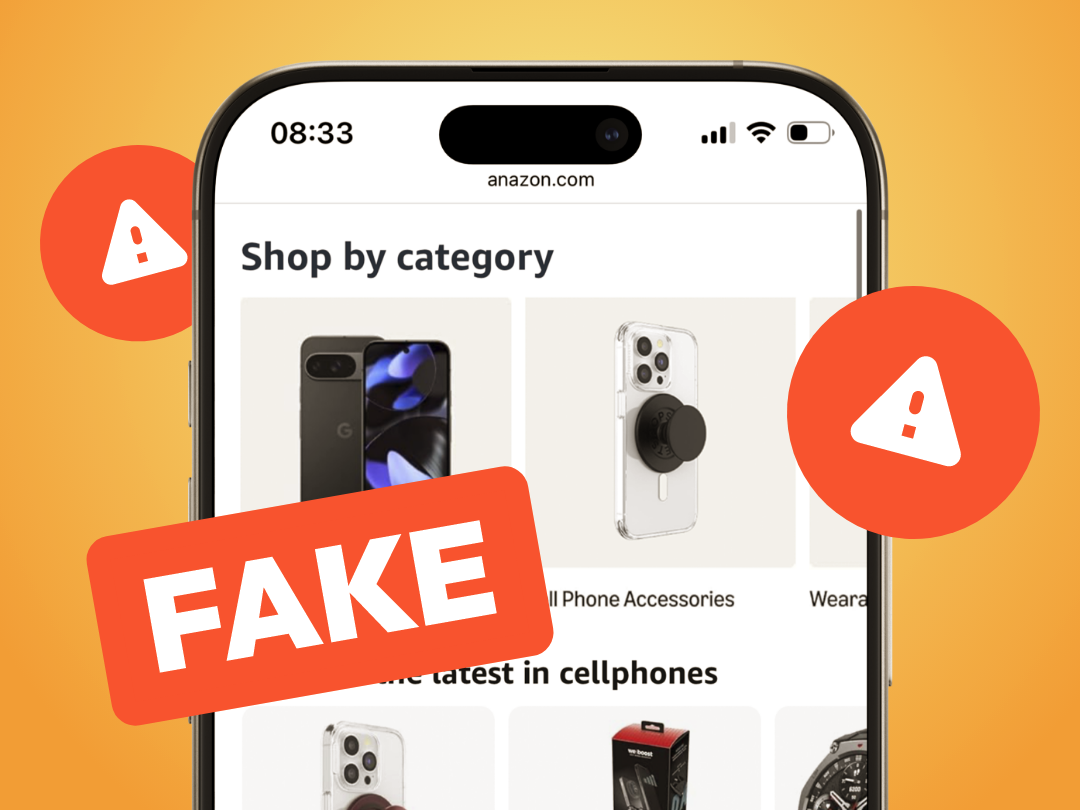
One of the most common forms of brand misuse is registering a domain that closely resembles your brand, often with a different extension or a small variation. These sites are designed to capture users searching for the original brand through search engines or ads.
According to World Intellectual Property Organization (WIPO), more than 6,200 domain name disputes were filed in 2025, the highest number since the system was introduced.
Research also shows that over 56% of traffic to fake sites comes from organic search, meaning customers often land on them unintentionally while looking for the original store.
Just a few years ago, fake websites were often easy to spot due to poor content or weak execution. Today, AI makes them much more convincing, which significantly increases the risk that customers end up on a fake site instead of yours.
How fake stores are created today
In practice, it’s a fast combination of accessible tools:
- registering a domain similar to your brand
- generating a logo or visuals using AI
- using existing or generated product images
- automatically generating product descriptions
- deploying a ready-made template on an ecommerce platform
Such a store can be online within hours and start attracting traffic through ads or search.
How to recognise a fake store
Fake sites often share a few common signals:
- a domain similar to your brand, but with a different extension or variation
- prices significantly lower than your official store
- missing or incomplete contact details
- reviews that repeat, sound similar, or are not linked to any external review platform
These are often the first signs that a site may not be legitimate.
What to do if you find a fake store using your brand
If you discover a site abusing your brand, act quickly:
- Document the site: Take screenshots of the domain, products and contact details.
- Report it to the platform or hosting provider: For example, if it runs on Shopify, use their IP infringement form. Other platforms offer similar processes.
- Report ads or search results:
- Google: Legal removal request
- Meta (Facebook/Instagram): Report intellectual property infringement
- Request domain suspension: File a case via WIPO UDRP to remove or transfer the domain without going to court.
How to reduce the risk
You cannot fully prevent fake stores, but you can significantly reduce their impact:
- Register trademarks and key domains: Without this, enforcement becomes much harder.
- Monitor new domains:
- set up alerts for your brand name or key products
- track new registrations through WHOIS monitoring tools
- Check marketplace platforms: Amazon, eBay or Alibaba provide tools for reporting brand misuse.
A new reality
Fake stores have always existed. The difference today is speed. Multiple copies can appear within days.
This is not just a legal issue. It directly affects your business. Support teams deal with confused customers, complaints increase, negative reviews appear, and trust gradually erodes.
If a fake store appears, do not wait. Document it, report it and request domain removal. In these situations, speed matters more than the perfect solution.
Frequently asked questions about fake stores and brand misuse
What is a fake store and how does it work?
A fake store is a fraudulent website pretending to be a real brand or business. It usually copies products, visuals and communication to appear legitimate. The goal is to take money without delivering products or to sell counterfeit items.
Why do fake stores using my brand appear?
Fake stores are quick and inexpensive to create. Attackers use known brands to gain trust and capture demand from search engines or paid ads.
How quickly can a fake store be created?
With modern tools and AI, a fake store can be online within a few hours. It only requires a domain, a template, generated content and basic product listings.
How can I recognise a fake store?
Common signs include a suspicious domain, unusually low prices, missing contact details and unreliable reviews. It is usually a combination of multiple signals rather than a single issue.
What should I do if I find a fake store using my brand?
Document the site (screenshots), report it to the platform or hosting provider, report ads or search results, and consider filing a domain dispute through WIPO.
Is it possible to remove a fake store?
In most cases, yes. You can get the site taken down or the domain suspended. The key is acting quickly and using the right reporting and legal channels.
How can I protect my brand from fake stores?
Register trademarks, secure key domains, monitor new domain registrations and actively track mentions of your brand online.
Why are fake stores harder to detect today?
AI allows fake websites to generate better content, visuals and messaging. As a result, they look more credible and are harder to identify at first glance.
What impact do fake stores have on a brand?
Beyond financial loss, the biggest impact is on trust. Customer complaints increase, negative reviews appear and support teams become overloaded, which affects overall brand perception.