
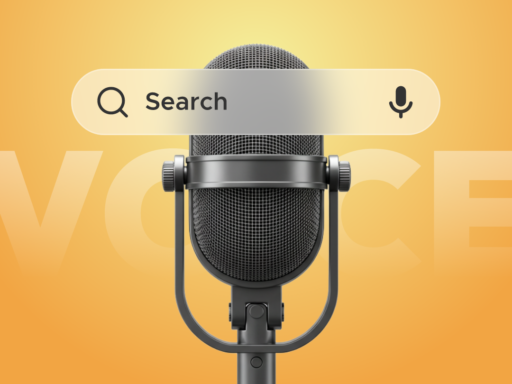

Did you know that over 1 billion voice searches are performed every month? Voice technology is no longer a cool add-on — it’s becoming a core part of how we interact with the digital world. From “Hey Google, set an alarm for 6 AM” to “Alexa, order pizza,” voice control is quietly becoming second nature. And for us developers, that means building websites and apps that speak the same language — literally.
Why Voice First matters
- Accessibility, redefined: Voice technology opens up digital experiences to people who can’t — or don’t want to — rely on screens. Think seniors, people with disabilities, or users with limited access to traditional devices. It’s a big leap toward a more inclusive web.
- Speed and simplicity: Voice control saves time. Say a question out loud — “What’s the weather like today?” — and get an answer instantly. It’s fast, intuitive, and perfect for those moments when quick responses matter most.
- Local languages, global reach: In Slovakia, voice assistants already understand Slovak — and that’s a game-changer. Localization makes interactions more natural and culturally relevant, especially for users who aren’t tech-savvy.
Voice search isn’t a trend — it’s a shift
Voice search is changing how we look for information. It’s not about typing keywords anymore — it’s about asking real questions, like: “What’s the best ski resort in Slovakia for families?” This shift brings new challenges for developers: how do we make sure our apps give fast, accurate, voice-friendly answers?
How to build voice-ready websites
- Think in questions, not keywords: Content should answer the questions users actually ask. Tools like AnswerThePublic help uncover the phrases people are saying out loud.
- Keep it short and sharp: Voice assistants prefer quick, clear responses. Focus on clean headlines, summaries, and concise answers to common questions.
- Use voice APIs: Platforms like Dialogflow, Alexa Skills Kit, or Google Actions make it easier to build voice bots into your digital products.
- Support multiple languages: In Central Europe, it’s crucial to support Slovak, Czech, and other regional languages. Tools like the Microsoft Azure Translator API can help tailor your content for different audiences.
Voice technology: Big potential, big responsibility
Voice tech is still evolving, but the numbers speak volumes. By 2025, it’s expected there will be 8.4 billion voice assistants in use globally. That’s more devices than people on Earth.
But voice design doesn’t mean starting from scratch. It’s about adapting what we already build for a new kind of interaction. Just like mobile-first design became standard, voice-first is on the same path — and it’s happening fast.
Sure, the tools aren’t perfect yet. But that’s no excuse to wait. It’s up to us — developers, designers, creators — to keep pushing the boundaries and shape voice experiences that truly work.
Voice Technology & Voice First: What You Need to Know
What does “Voice First” mean in web development?
Voice First means designing websites and apps with voice interaction as a primary — not secondary — way of navigating and interacting. Instead of clicking or reading a screen, users can ask questions and get answers using just their voice. It’s about building digital experiences that work hands-free.
Why are voice technologies important for accessibility?
Voice control makes the web more accessible to people with mobility issues, vision impairments, or limited tech skills. It’s especially helpful for seniors, users with disabilities, or those who struggle with traditional interfaces. Voice-first design helps make the digital world more inclusive for everyone.
Do voice assistants work in Slovak?
Yes, most modern voice assistants already support Slovak or Czech. This opens up new opportunities for localized voice search, content delivery, and app navigation tailored specifically to Slovak-speaking users.
What kind of content works best for voice search?
Voice search thrives on natural, conversational content. Instead of just using keywords, think in terms of questions like “What’s the best phone under €300?” Short, direct answers, FAQs, and structured summaries work really well in this context.
How can I make my website voice-friendly?
Start by optimizing your content for natural-language questions and clear, fast-loading pages. Then consider integrating voice APIs like Google Actions, Alexa Skills Kit, or Dialogflow, which allow users to interact with your site or app using voice commands.
Do I need to build a brand new site for voice interaction?
No. In most cases, you can adapt your existing site. Add FAQ sections, use structured data, optimize short answers, and ensure your content supports multiple languages. Small changes can go a long way in making your site voice-search ready.
Which tools can I use to build voice features?
Popular tools include Google Dialogflow, Alexa Skills Kit, Microsoft Bot Framework, Google Actions SDK, and Microsoft Azure Translator API for multilingual content. These platforms help you create smart voice experiences and automate customer interactions.
Is voice technology only for mobile, or also for desktop?
While mobile is still the main environment for voice search, voice control is becoming more common on desktops too — thanks to browser extensions, built-in microphones, and OS-level support. The future is cross-platform.