
Why every ecommerce business should consider Apple Pay, Google Pay, and a modern payment gateway.
We’re living in a time when artificial intelligence is shifting from experiment to essential infrastructure. Choosing a payment gateway can no longer be reduced to comparing transaction fees. As AI and data analytics increasingly drive business growth, what matters is the level of data access your gateway provides—and how its provider responds to new challenges in the market.
This article was created in collaboration with Tatra banka.
Authors: Lukáš Okál (Head of Open Banking at Tatra banka) and Ladislav Perduk (Ecommerce Analyst at bart.sk).

Choosing a payment gateway is a standard part of building any ecommerce solution. Yet it’s still often reduced to an Excel sheet comparing percentages and fixed fees across providers. That approach is becoming increasingly short-sighted.
Your payment gateway is a critical part of your checkout. It directly influences:
- how quickly customers can complete their payment
- whether they can pay in a single step
- the overall feeling they take away from the purchase
- and whether you have access to data that helps you grow
That’s why more and more ecommerce teams focus on three key capabilities:
1. API — the bridge between your store and the bank
Not long ago, payment gateways worked in a fairly simple way. A customer clicked “pay” → got redirected to the bank → and returned to the store after completing the payment. The problem? The store often had no immediate visibility into what actually happened.
Orders were left waiting for confirmation, systems relied on bank statements, and many processes had to be handled manually. Today, that’s no longer enough.
Modern payment gateways offer APIs (Application Programming Interfaces) that allow your store to:
- instantly confirm whether a payment was successful
- assign a unique ID to every transaction
- work with payment data in real time
For ecommerce owners, this means more automation, less operational friction, and better visibility into the business. It also opens the door to:
- ERP automation
- dropshipping workflows
- mobile applications
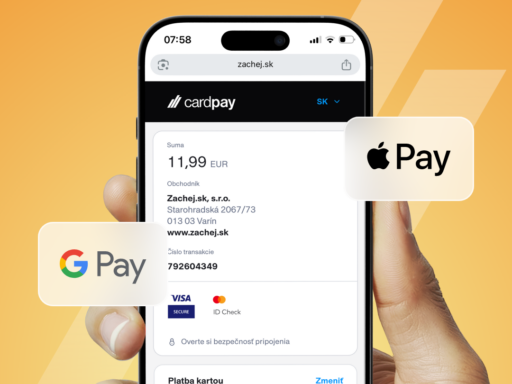
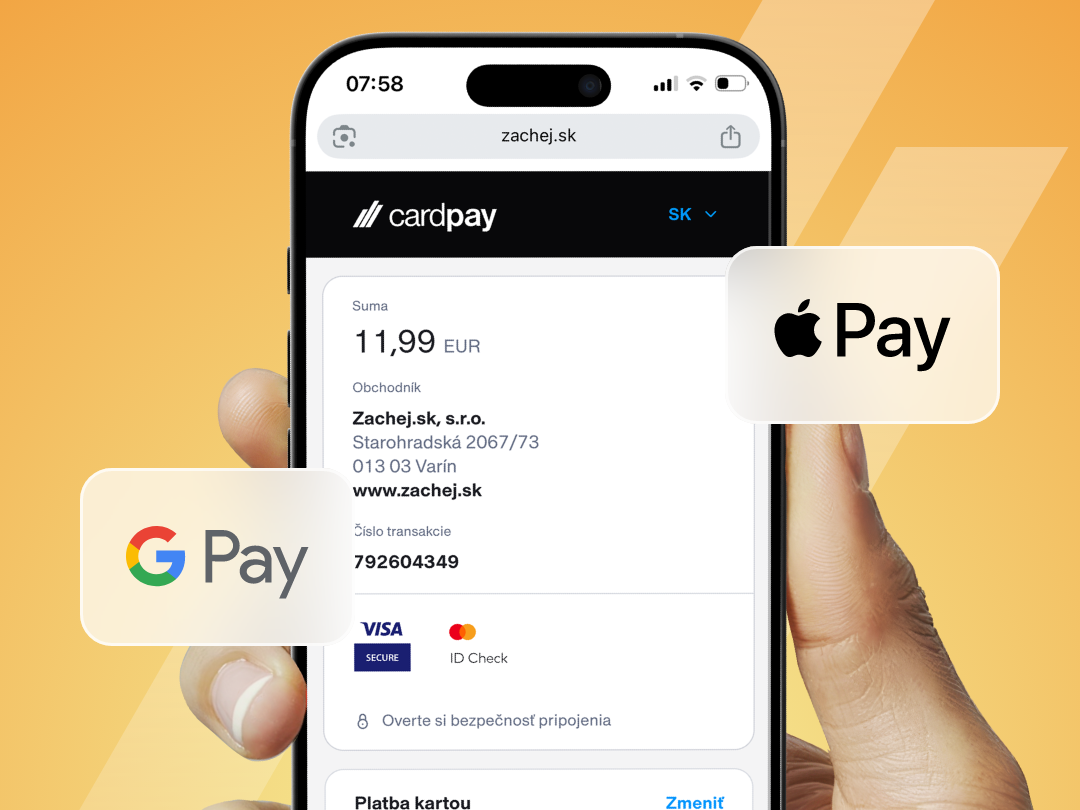
2. Apple Pay & Google Pay — the fastest path to a smooth checkout
Paying by phone or smartwatch is now standard in retail.
When shopping on mobile, do you really want to enter card details manually, or would you rather complete the purchase with a single tap?
That’s exactly why Apple Pay and Google Pay are reshaping the checkout experience.
With these methods, customers:
- don’t need to retype card details
- don’t need to look for their wallet
- can complete payment with a tap or biometric confirmation
The result?
- faster checkout
- a more modern experience
- and more satisfied customers
On mobile, the difference is significant. And mobile already accounts for the majority of ecommerce traffic.
3. Installments — giving customers more flexibility
Not every purchase is impulsive. For higher-value products, the ability to spread payments over time often makes the difference.
Installment options or deferred payments can:
- make higher-priced products more accessible
- reduce the psychological barrier to purchase
- increase average order value
For customers, it’s about feeling in control of their finances.
Want to go deeper?
If this topic caught your attention, join us at Ecommerce Bridge in Michalovce, where we’ll explore payment gateways in more detail.
When: March 26, 2026
Where: Queens PUB & RESTAURANT MICHALOVCE, Továrenská 2
Time: 17:00
Price: €39
Expect insightful talks, networking, and a chance to connect with others in ecommerce.
More info and registration: https://www.ecommercebridge.sk/eb-live-mi-2026
Frequently asked questions about choosing a payment gateway
What fees should I consider when choosing a payment gateway?
Look beyond the transaction percentage. Consider fixed fees, monthly costs, refunds, chargebacks, and any additional services. The overall pricing model matters more than a single number.
What’s the difference between bank gateways and providers like Stripe or PayPal?
Bank solutions offer stability, regulation, and strong local support. Non-bank providers tend to be more flexible, innovate faster, and operate internationally. The right choice depends on your market and technical needs.
Is Apple Pay and Google Pay support essential today?
Yes. Mobile payments significantly improve checkout speed and conversion rates, especially on mobile devices.
How can I tell if a payment gateway is secure?
Check for standards like PCI DSS, support for 3D Secure, and clear information about fraud prevention and data protection.
How complex is integration?
It depends on the platform and API quality. Modern gateways usually provide well-documented APIs and ready-made plugins, making integration much faster.
Can I offer installments or deferred payments?
Yes, if supported by the provider. These options can increase accessibility and improve conversion rates.
How can a payment gateway improve conversion?
Faster checkout, fewer redirects, mobile payments, and instant confirmation all reduce drop-offs and improve user experience.
Do I need API access?
If you want full control over data, automation, and integrations with ERP or other systems, then yes.
How long does activation take?
Typically a few days to a few weeks, depending on contracts and technical readiness.
What should I prepare before launching a gateway?
Legal documents, terms and conditions, refund processes, a test environment, and technical readiness of your store.